
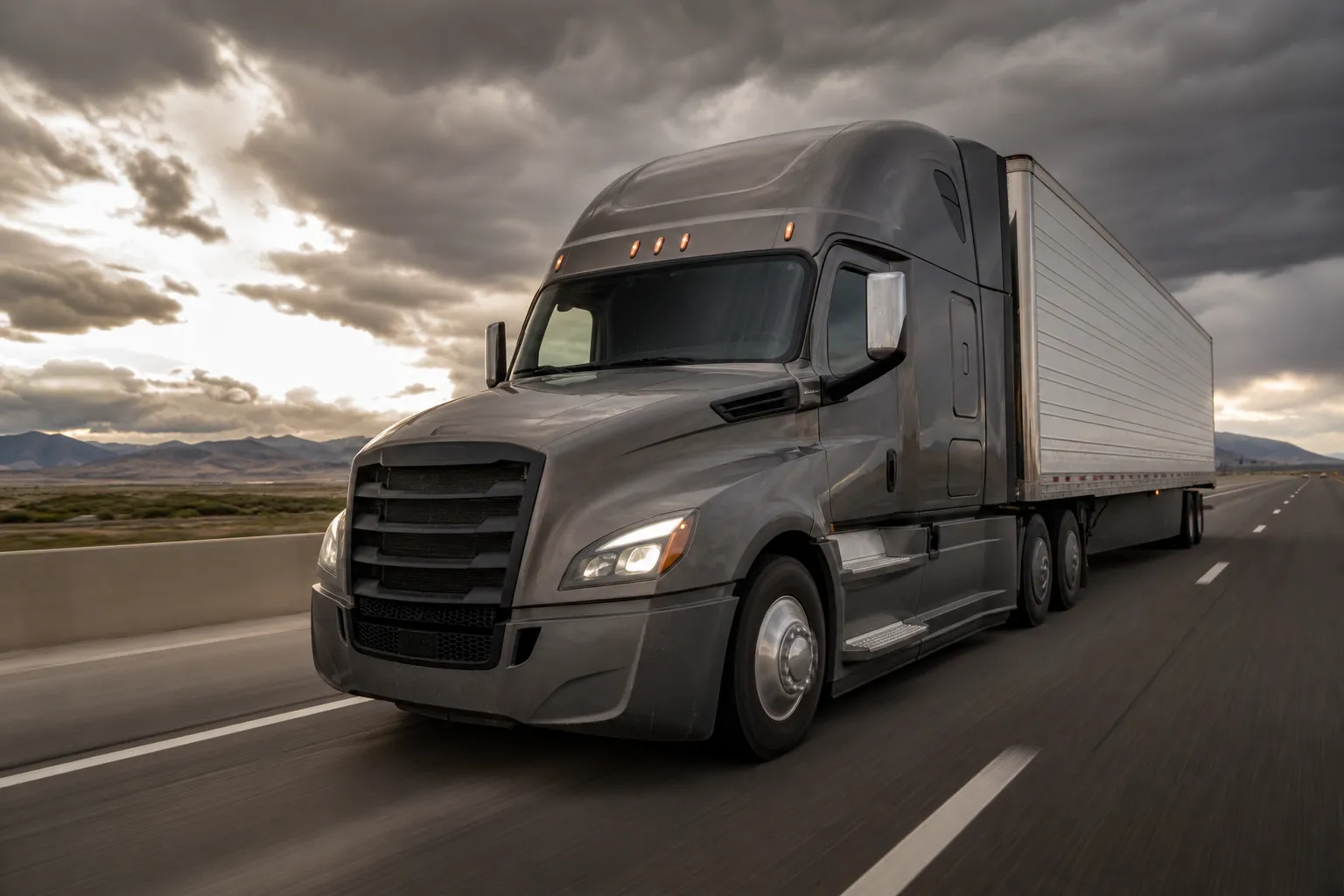
A truck is more than a name on a door
Following a collision with a commercial vehicle, you may have a photograph of a cab, a trailer number, or the name of a business. Bring those details without assuming they all identify the same company. Tell the office which information came from the vehicle itself, which came from a report, and which was provided by someone after the crash.
A delivery vehicle, tractor and trailer, and other commercial vehicle can present different factual questions. Describe what you saw in ordinary language. You do not need to classify the vehicle or decide who is responsible before requesting a consultation. The purpose of the first discussion is to identify the circumstances and the questions requiring review.
Locate the collision precisely
Louisiana DOTD lists I-20, I-49, and I-220 in its Shreveport-Bossier City motorist assistance patrol coverage. Those road names provide local context, but a route name does not establish what happened in any collision. Record the direction, nearest exit, approximate time, and whether you were on the main roadway or a ramp. Use the location shown on your documents if your recollection is incomplete.
Distinguish what you remember from information you found later. A photograph may show a sign you did not notice at the time; a witness may describe a different vantage point. Keep those sources separate. Do not travel back into traffic or enter a restricted area to collect a missing detail for a consultation.
Make an inventory of available information
Create a short list of the photos, messages, report references, and vehicle identifiers already available to you. If a company name, license plate, or identifying number is legible in an original photo, retain that original. Avoid relying only on a cropped screenshot that removes the setting. Tell the office if another person holds relevant photographs or video.
Commercial vehicle cases can raise questions about records beyond the documents an injured person has at home. Ask counsel what information may need to be identified or requested in your circumstances. This page does not establish that a particular record exists, that it can be obtained, or that any business was required to keep it for a particular period.
Use the consultation to sort the roles
Write down the names of everyone who has contacted you since the collision, including any insurer or company representative. Record whom each person said they represented and what they asked you to do. Separate a discussion about repairing your vehicle from a request concerning an injury. Bring the actual correspondence so counsel can examine the wording with you.
If the collision happened while you were working, explain that at the start. Employment, vehicle ownership, and the purpose of the trip are facts to discuss, not conclusions to settle on your own. Todd's existing truck and work-related injury pages describe the practice areas; the consultation determines whether your specific matter fits and what questions need further attention.
Act 423 of the 2024 legislative session created Civil Code article 3493.1 and extended it to two years, effective July 1, 2024.
This sentence comes from the firm's Louisiana injury deadline article. Bring the actual incident date and any notices to a consultation; general information cannot determine the timing for your individual circumstances.